

The Pittsburgh Steelers’ former owner, Dan Rooney, is credited with creating The Rooney Rule in late 2002. In 2003, the rule was implemented in the National Football League. Dan chaired the committee and helped get the rule into place, which is how it got named after him. Now, Art Rooney II is the team president and owner of the Steelers. Art was hit with a predicament when Florida Attorney General James Uthmeier sent a letter to NFL Commissioner Roger Goodell. The letter was made known about on Wednesday and since then, the NFL world has been taken by storm. Uthmeier's letter to Goodell called the rule out for what he believes to be “blatant race and sex discrimination.”
AP Photo
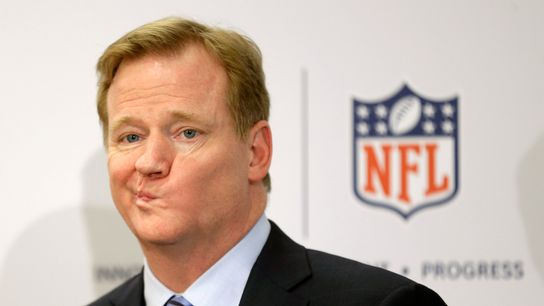
NFL Commissioner Roger Goodell looks on while speaking to the media about the state of the league.
The controversy has reignited long-standing debate around the purpose and impact of the Rooney Rule within the NFL. Supporters argue that the policy has helped increase opportunities for underrepresented candidates in coaching and front office roles, while critics claim it can be ineffective or even counterproductive in practice. As scrutiny grows, league leadership and team owners have been prompted to revisit the original intent behind the rule and evaluate whether it continues to serve its intended goals in the modern era.
Professional sports are a visible example of a merit-based system, but through the Rooney Rule, the NFL requires its teams to use race-based hiring practices.
— Attorney General James Uthmeier (@AGJamesUthmeier) March 25, 2026
We are putting Commissioner Roger Goodell on notice: the Rooney Rule violates Florida law, and it must stop. pic.twitter.com/g8La6TzUZw
In response to the letter and the broader discussion surrounding the rule, Art addressed the issue in remarks covered by ESPN, signaling the Steelers’ continued support for the policy — while also talking about the nuances of the law. Art's response reflects the historical significance of the rule to the franchise while respecting the law. The situation highlights how a policy once designed to promote fairness and inclusion has now become the center of a renewed national conversation about equity, hiring practices, and the future direction of the NFL.
"There's no question that the environment has changed in recent years," Rooney told ESPN. "We do have an obligation to make sure that our policies comply with the laws, whatever the law is, and whatever the changes in law might be. We've got to look at that and make sure we're in compliance. ... That's just the environment we're existing in today."
Ultimately, the conversation surrounding the rule reflects a much larger shift in how the NFL operates in today’s social and legal climate. What began as a policy intended to expand opportunity, has now become part of a broader debate about fairness, legality, and evolving expectations for professional organizations.
Karl Roser / Pittsburgh Steelers
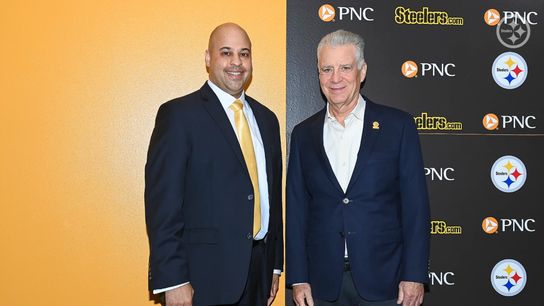
Steelers' Omar Khan with Team President and Owner Art Rooney II during the 2022 offseason.
As scrutiny increases, it is clear that the league is being forced to balance its original intentions with modern interpretations of discrimination laws and public perception. Art’s comments highlight that reality, acknowledging that the environment is no longer the same as it was when the rule was first introduced, and that adjustments may be necessary to remain aligned with current legal standards.
Steelers And The Ongoing Impact Of The Rooney Rule
At the same time, this moment underscores how influential the Rooney Rule has been in shaping hiring practices across the league. Whether one views it as effective or flawed, its presence has undeniably sparked important conversations about representation and opportunity in leadership roles. The fact that it continues to generate debate more than two decades after its implementation shows that it still carries weight and relevance in discussions about diversity and equity in sports.
AP photo
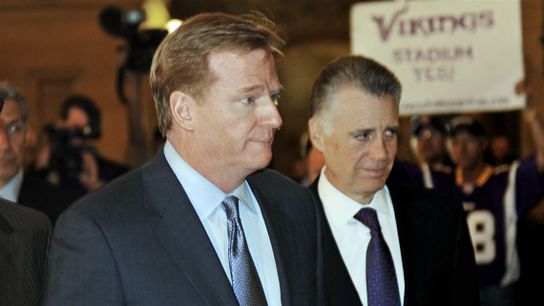
Steelers Team President Art Rooney II and NFL Commissioner Roger Goodell look on.
Moving forward, the NFL will likely face continued pressure to reassess policies like the Rooney Rule while considering both legal compliance and the original mission behind them. For the Steelers organization, and for Art in particular, the issue is not only about defending a namesake policy, but also about navigating the responsibilities that come with it in a changing world. How the league responds to these challenges may ultimately determine the future direction of hiring practices and set the tone for how professional sports leagues address similar concerns in the years ahead.
Please feel free to share your Steelers takes and thoughts with me on X (@anthonyghalkias) and consider following for more Steelers-related content and discussion. I read and respond.
#SteelerNation