


Every season for the Pittsburgh Steelers, as well as teams across the NFL, ends with players going down with torn cruciate ligaments, ruptured Achilles tendons, and other field injuries. Some of these risks are part of the game. However, some come from preventable issues tied to field quality and maintenance. This article looks at whether the teams and the league are doing enough to protect players.
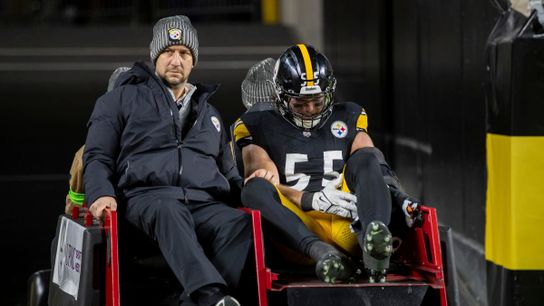
Matt Durisko / AP Photo
Linebacker Cole Holcomb after suffering a season-ending injury during the Pittsburgh Steelers' 2023 season.
1. Preventable Problems That Keep Showing Up
The injury numbers on artificial turf are hard to ignore. For instance, players face a 28% higher rate of non-contract lower extremity injuries on artificial turf compared to grass. 32% of these are knee injuries, while 69% are foot and ankle injuries. Cases involving Pittsburgh Steelers’ Chris Boswell slipping during a field goal attempt and Aaron Rodgers publicly criticizing the turf also put field safety at the center of the debate. These are high-profile examples of patterns that play out weekly.
A study covering the 2021 and 2022 NFL seasons found that the chances of season-ending surgery were 60% higher on artificial turf than on natural grass. That is not a minor statistical observation. The sad part is that many of these dangers are not from collisions. They occur when a cleat catches the surface during a routine cut or a sudden stop.
2. Are Teams Doing Enough to Save Players?
Some teams have made real changes. Several franchises have switched back to natural grass or pushed for better field maintenance standards. Some fields like at Acrisure Stadium have also ranked as the worst playing grounds.
However, the progress has been uneven, and it mostly takes pressure from players and public attention to make it happen. The NFLPA has also stated it wants all teams to convert both practice and game fields to natural grass. However, it acknowledges that grass quality matters too, pointing to concerns about poorly maintained grass fields.
That is a key starting point because players need a safe and well-maintained surface. However, it requires investment and accountability from team ownership. That is particularly true because when a player is hurt on a preventable surface, the recovery road often involves more than just rehab.
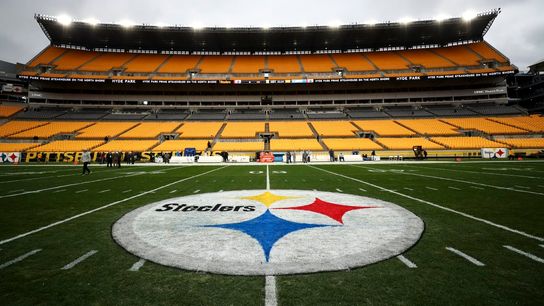
Getty Images
Pittsburgh Steelers home field at Acrisure Stadium.
Career earnings, long-term health, and financial security are all affected. Players also seek recovery support from Blakeley Car Accident & Personal Injury Lawyers when negligence leads to serious physical harm. This serves as a reminder that institutions and individuals have their part when preventable injuries occur.
3. The League’s Role in Setting Standards
In late 2025, the NFL introduced new leaguewide field standards aimed at pushing all stadiums towards safer and more consistent playing surfaces by 2028. The plan gives teams like Pittsburgh Steelers a library of approved fields to choose from and requires new fields to meet standards immediately. That is real progress in improving player safety, but a 2028 deadline means players are still competing on substandard surfaces right now.
The NFL’s response has also always been cautious. For instance, the league’s chief medical officer, Dr. Allen Sills, stated that there is no big difference in lower extremity injuries caused by surfaces alone. Other factors like player load, fatigue, and cleat choice have their part in players’ safety. That framing may frustrate a lot of people, although the direction of the evidence is consistent.
Endnote
Field-related injuries are not always part of the game. Many come from issues that can be fixed. Teams have made some changes, but the results are inconsistent. The league needs to stop treating field quality as a facilities cost and view it as a player safety issue. If not, preventable injuries will keep happening until every stadium is held to the same standard.