

Being a passionate football fan has never looked quite like it does today. The rise of digital platforms, data-driven viewing tools, and interactive apps has reshaped what game day means for Steeler fans everywhere. Platforms like Svit UA show how digital entertainment is converging with sports culture, creating a world where fans expect more than just the broadcast. The shift is real, and for supporters of one of the most storied franchises in the NFL, it carries special weight. The Pittsburgh Steelers, founded in 1933, have always inspired fierce loyalty, and now that loyalty is being expressed in entirely new ways.

Al Messerschmidt / Getty Images
Former Steelers head coach Bill Cowher hoists the Lombardi Trophy.
The Steelers in the Digital Age
Few fan bases have a reputation quite like Steelers Nation. Whether waving Terrible Towels inside Acrisure Stadium or following every snap from thousands of miles away, supporters have always found ways to stay connected. And don’t sleep on the Steelers tailgates! What has changed dramatically is the infrastructure that surrounds that connection.
Digital platforms now shape every aspect of the supporter experience, making team loyalty part of daily online routines. From fan-run forums that serve as archives of collective memory to social media threads dissecting every third-down conversion, the modern Steelers supporter lives inside a continuous stream of information.
In 2026, digital communities have become tactical centers where fans analyze play-calling and game strategy in real time. This is a significant evolution. Watching a game is no longer a passive act; it is a participatory one, layered with commentary, data, and community.
Acrisure Stadium itself has invested heavily in this direction. A new upgraded Wi-Fi system from Extreme Networks features more than 1,300 access points via overhead and under-seat installations, delivering better coverage, faster speeds, and lower latency for fans inside the venue. That kind of infrastructure makes in-stadium digital engagement possible at scale.
Streaming as the New Standard for Steelers Fans
The way Steelers fans watch games has undergone a fundamental transformation over the past several years. Cable television, once the default, is no longer the only option — or even the preferred one for millions of viewers.
The 2025 NFL season featured a record number of streaming-exclusive games, with platforms including Amazon Prime Video, ESPN+, Peacock, Netflix, and YouTube all carrying exclusive broadcasts. For Steelers supporters following out-of-market games, this shift has made access both more flexible and more complex.
Completing the full streaming package for the 2025 NFL season could cost fans anywhere from $575 to nearly $800, depending on their existing subscriptions and Sunday Ticket status. The breakdown includes multiple platforms:
Amazon Prime Video – exclusive Thursday Night Football, available in native 4K with HDR10+
Peacock – all Sunday Night Football games plus a Week 17 exclusive
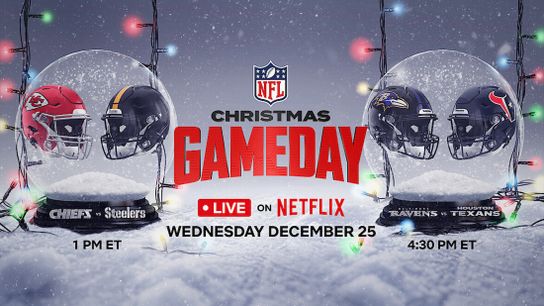
Netflix – two exclusive Christmas Day matchups
YouTube TV – home to NFL Sunday Ticket for out-of-market games
ESPN+ – one exclusive Monday Night Football game per season
Amazon's low-latency streaming protocol, integrated in late 2024, cuts broadcast lag to under seven seconds on average across supported devices – a meaningful improvement for fans who want live reactions, not delayed ones. The experience of watching Steelers games from home is increasingly close to the technical quality of being in the stadium.
Real-Time Stats and Analytics for Smarter Steelers Viewing
Modern Steelers fans do not just watch – they analyze. The availability of advanced statistics and live data tools has turned casual viewing into something closer to a film study session for engaged supporters.
Fans now use real-time analytics and AI-powered tools to track specific game trends, including personnel groupings, pressure rates, and run-pass options as they happen. What was once the domain of coaching staffs has gradually become accessible to anyone with a smartphone and curiosity.
This shift is part of a broader movement in how sports leagues share data. Platforms like FTN Data offer granular metrics (player participation rates, route data, defensive coverage breakdowns) that go well beyond the traditional box score. The appetite for this kind of detail among the fan base is genuine, not manufactured.
Netflix
Netflix graphic for the Christmas day games.
Acrisure Stadium Mode, part of the Steelers mobile app, offers a Stadium Virtual Assistant available 24/7 to answer questions, push notifications for game-day alerts, and the ability to reserve parking through the JustPark integration. This kind of integration shows how analytics and convenience are merging into a single experience.
Fantasy Football, Pick'em Games, and the Gamification of Steelers Fandom
One of the most significant drivers of deeper fan engagement across the NFL 2026 landscape is fantasy football. The numbers behind this phenomenon are striking.
The fantasy sports market was valued at $14.91 billion in 2025 and is forecast to reach $27.36 billion by 2030. In the United States, 79% of season-long fantasy participants play football specifically. That overwhelming dominance of football within the fantasy ecosystem reflects the NFL's cultural pull, and the Steelers' passionate fanbase plays a notable role in that engagement.
The fantasy sports industry is expected to grow by $10.13 billion from 2024 to 2029, with North America projected to account for 35% of total global growth over that period. Platforms like DraftKings, FanDuel, Sleeper, ESPN, and Yahoo have made it straightforward for fans to follow individual player performances rather than just team outcomes.
For Steelers supporters, this has a practical consequence. A fan might watch a game with as much attention on a running back's carries as on the final score. Fantasy football has changed the granularity of attention and the emotional stakes that fans bring to each match.
Pick'em contests and survivor pools add another layer. These formats require week-by-week predictions and keep fans invested even during stretches when their team's playoff picture looks uncertain. The gamification of fandom is not a niche trend. It has become mainstream, with the line between watching a game and competing alongside it increasingly blurred.
Team Apps, Social Media, and the Personalized Steelers Experience
Beyond statistics and streaming, personalization has become one of the defining features of modern Steelers fandom. The Pittsburgh Steelers' official digital presence gives fans direct access to content that would have been unimaginable a decade ago.
The official Steelers online presence features interviews, interactive posts, and behind-the-scenes content designed to strengthen connections with supporters across all time zones. Short-form video, live Q&A sessions with players, and podcast content have created multiple touchpoints that go far beyond the weekly game.
Mobile-first platforms now allow fans to complete purchases in seconds, with biometric authentication and tokenized payment methods increasing security while reducing friction. From merchandise drops to ticket purchases, the digital experience has become seamless in ways that reinforce engagement rather than interrupting it.
Social media has also reshaped how Steelers news travels. Beat reporters, official team accounts, and passionate fan creators all contribute to a real-time flow of information on platforms like X, Instagram, and YouTube. A major trade or injury update reaches fans within minutes, often before traditional media has time to contextualize it.
Thearon W. Henderson / Getty Images
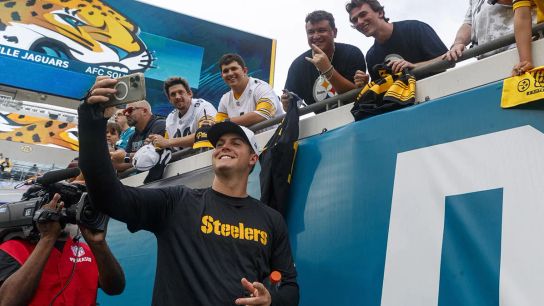
Steelers' QB Will Howard takes a selfie with fans in Jacksonville during the 2025 season.
Fan engagement platforms are expanding into token-gated content and digital voting, reflecting a broader movement toward experience-based rewards for consistent supporters. These tools offer a new kind of loyalty infrastructure – one built on digital participation rather than simply physical attendance.
What Steelers Fandom Could Look Like in 2026
The transformation already underway points toward an even more immersive future. NFL 2026 is shaping up as a turning point, not only in how games are played, but in how they are consumed.
The 2026 NFL Draft in Pittsburgh was the most digitally connected draft in league history, incorporating augmented reality features, interactive fan challenges, and digital-only merchandise tied to the NFL OnePass app. Over 800,000 fans attended over three days, with an economic impact projected at $120 million to $160 million. That scale of engagement would not be manageable without sophisticated digital infrastructure behind it.
Looking further ahead, technologies like AR and VR broadcasts could allow fans to experience games from perspectives currently unavailable – a sideline view, a quarterback's sight line, or a virtual seat inside Acrisure Stadium from anywhere in the world. Content personalization powered by artificial intelligence may eventually deliver individualized broadcast experiences, adjusting commentary depth and statistical overlays to match each viewer's preferences.
Yet through all of it, the core of what makes Steelers fandom so enduring remains unchanged. The passion for black and gold, the ritual of the Terrible Towel, the shared experience of a fourth-quarter comeback, these cannot be optimized by an algorithm. Technology changes the tools. The emotion behind them belongs entirely to the fans.